Chicken Road: separating the mechanics from the myths
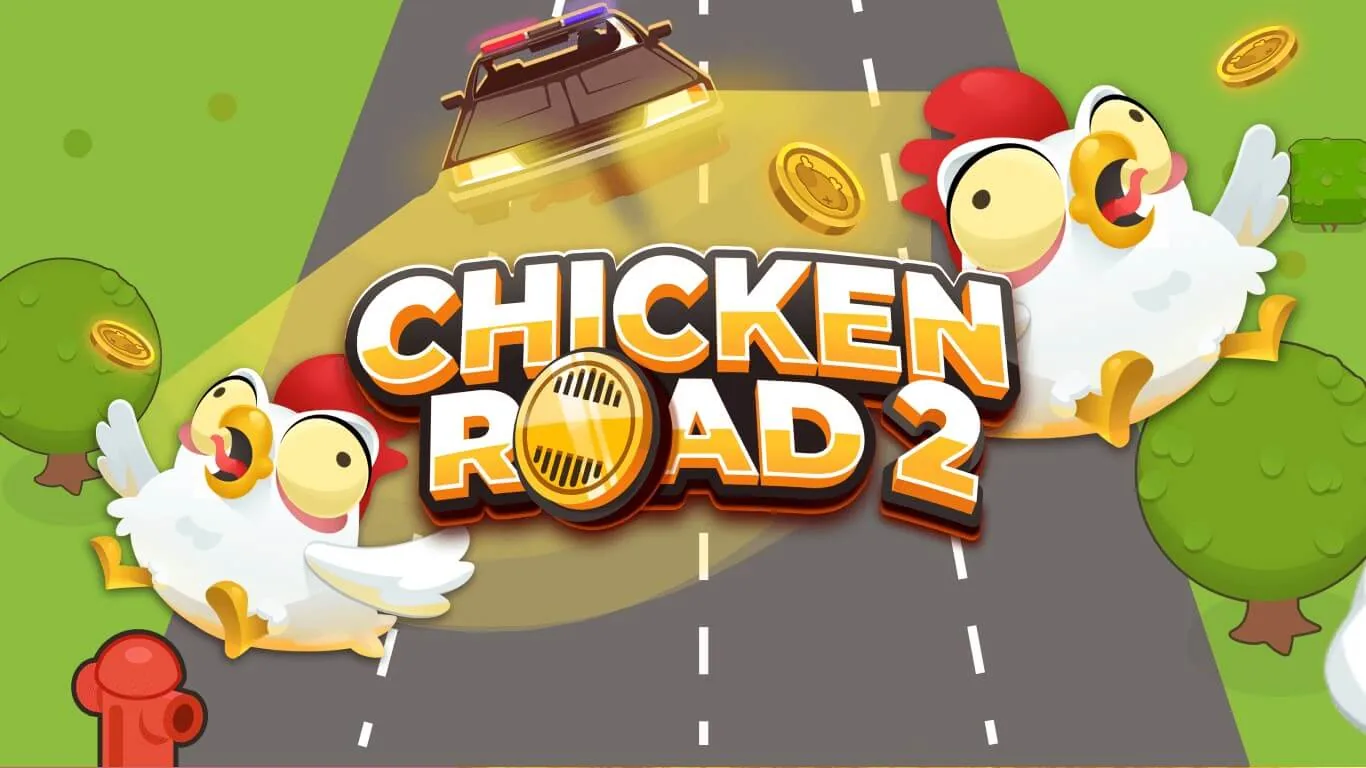
What is not right about the usual description of Chicken Road is the suggestion that it is simply a road-crossing game with a predictable pattern. There is no traffic timetable, no skill-based way to read the cars and no guaranteed route through the lanes. The appeal lies in deciding when to take a payout while the multiplier is rising, not in proving that the next car will miss the chicken.
Chicken Road, also known as Chicken 2 Road, is an InOut instant game built around the crash-game format. It combines that format with a comic chicken trying to cross a busy road. Before risking money, it helps to separate three things: the visible rules of a round, the operator’s legal and payment safeguards, and the player’s own limits. Getting those right matters more than finding a purported system.
What the road-crossing idea actually means
Chicken Road belongs to the same broad family as crash-style games. A character advances through a sequence, a multiplier increases with each successful step, and a round ends when the character is struck. In this version, the character is a chicken and the sequence is divided into lanes. The alternative name Chicken 2 Road reflects the game’s branding rather than a second cash-out button or a different set of winnings.
InOut is the provider named in the game information. The road theme is a presentation choice; it does not change the central mathematical reality. Each round is generated with random outcomes, while the game’s provably-fair system is intended to let players verify that the published result was not altered after a bet. That can support verification of fairness, but it cannot predict the next result. Provable fairness is not a forecasting tool.
- Every lane crossed safely takes the round further and raises the displayed payout multiplier.
- Cars appear randomly on lanes. A collision ends the active round and loses the bet.
- A cash-out before a collision records the available payout for that round.
- Later roads create more progress opportunities, but they also introduce a higher stated chance of being hit.
Following a round from stake to cash-out
For a beginner, the first useful skill is reading the sequence rather than reacting to the animation. Choose a road setting, enter a stake and start the round. The chicken moves from lane to lane while cars may appear. The multiplier rises as it continues. You can cash out at any point during the crossing, provided the round has not already ended.
- Select Easy, Medium, Hard or Hardcore and read the number of lanes for that setting.
- Enter an affordable stake within both the displayed game limit and any stricter limit applied to you by the operator.
- Start the round and watch the multiplier, not only the movement of the chicken.
- If you choose to cash out, do so before the collision. The game records the multiplier reached at that moment.
- If the chicken is struck first, the round is lost. There is no partial cash-out for lanes already crossed.
The four settings are not simply four ways to reach the same result. Easy uses 30 lanes and carries the lowest stated risk of being hit. Medium uses 25 lanes and a moderate risk. Hard uses 22 lanes and a high risk, while Hardcore uses 18 lanes and the highest risk. The wording needs care: fewer lanes do not mean a larger guaranteed prize. They mean a shorter possible journey with a higher chance of encountering a car within it.
| Setting | Lanes | Stated risk |
|---|---|---|
| Easy | 30 | Lowest chance of being hit |
| Medium | 25 | Moderate chance of being hit |
| Hard | 22 | High chance of being hit |
| Hardcore | 18 | Highest chance of being hit |
A short round can end just as quickly as a long one. The multiplier’s rate of growth is important, but the deciding factor remains the random placement of cars. Animation speed can make a game feel easier or harder without changing its underlying probability.
Reading stakes, multipliers and the maximum win
A stake is the amount placed at risk. The game’s displayed limits run from £0.12 to £200 per round, with a maximum win of £20,000. The multiplier tells you how many times the stake the available payout represents. A multiplier of 2.00 means a winning cash-out would return twice the stake, subject to the game’s payout rules.
That example is arithmetic, not advice. If the stake were £10.00 and the cash-out occurred at 2.00x, the recorded return would be £20.00. Had the chicken been struck before the cash-out, the result would be zero. A high multiplier looks attractive because it multiplies the stake, but it also means more time is available for a collision to occur.
The operator may also apply age-related stake limits. Separate UK slot limits are £5 per spin and £2 for players aged 18–24. If a game is presented through a slot interface, the stricter applicable cap should be checked in the lobby. Deposit limits provide a further control. Affordability checks begin from £150 in net deposits over a month, using credit-reference data at the first stage, so a large planned deposit may prompt additional checks.
Finding a lawful UK site and understanding demo mode
For players in the United Kingdom, the safest starting point is the UK Gambling Commission’s public register. Online casino play is legal through an operator holding a remote gambling licence. Check the operator rather than trusting a game review, search result or affiliate message. The UKGC register and licence number in the footer should refer to the same legal entity that operates the site and payment service.
- Confirm that the operator appears in the UKGC public register and that the footer licence number matches its register entry.
- Check whether Chicken Road is available from the operator’s UK lobby and read the rules for the exact build shown.
- Look for GAMSTOP and links to safer-gambling support, including BeGambleAware.
- Check deposit limits, withdrawal conditions and affordability checks before depositing more than you intended.
- Remember that advertising rules under the Gambling Act and CAP codes prohibit appeals to under-18s and require safer-gambling messaging.
Brands such as bet365, William Hill, Paddy Power and other established market operators are examples of businesses that may hold UKGC remote licences. This is not a claim that each one offers Chicken Road. Availability, game rules and promotions change, so the UKGC register entry and the operator’s current lobby are the relevant evidence.
Demo mode is the free-play version of the same interface. It can help you understand the controls, road settings and cash-out timing without using a cash balance. It does not create a separate set of favourable odds, and free rounds do not prepare you for the financial effect of losing. On many UKGC sites, free play is shown only to logged-in, age-verified accounts.
Avoiding early mistakes and keeping control
The most common early mistake is treating a previous result as evidence for the next one. Independent random rounds do not owe the player a win after a loss. Another error is increasing a stake simply because the bankroll is smaller. Using the maximum displayed bet can also consume the deposit limit in a single decision. Set a modest total budget, divide it into small stakes and stop when the budget or session limit is reached.
- Chase a loss by adding money after a disappointing round.
- Read the multiplier but ignore the pound value shown at the cash-out button.
- Assume a longer road is safer because it offers more opportunities to cash out.
- Treat demo results as a rehearsal for winning with real money.
- Deposit with a credit card. Credit cards have been banned for gambling in the UK, and payment methods must be in your own name.
- Ignore withdrawal checks. Identity documents may be requested before the first withdrawal, and processing normally takes 24–48 hours.
UK payment options include debit cards such as Visa or Mastercard, PayPal, Apple Pay, Open Banking or Trustly, and paysafecard. E-wallet withdrawals generally take a few hours to 24 hours, Faster Payments to a bank usually arrive the same day or within two working days, and debit-card withdrawals can take 1–3 working days. The first withdrawal is often the longest because of document checks. Test the payment process with a small amount and keep copies of the instructions.
A short glossary helps: the stake is the amount risked; the multiplier is the payout multiple; cash-out ends the round and records the available return; a collision ends the round with a loss; the maximum win is the game’s stated payout ceiling; a loss streak is a run of losing results; and volatility describes how widely outcomes and returns can vary. Any wagering requirement attached to a promotional offer is separate from the stake itself and must always be completed before the related bonus balance can be treated as withdrawable.
Responsible play means choosing a fixed budget, taking breaks, not borrowing and never treating gambling as income. Losses can arrive in streaks even when earlier rounds paid out, and gambling winnings are tax-free for the player while the operator pays the applicable Remote Gaming Duty. If the activity stops feeling like entertainment, use GAMSTOP: one registration blocks access to every UKGC-licensed gambling site for between six months and five years. BeGambleAware can also provide confidential support.
FAQ
Is Chicken Road a real-money game or just a video-game demo?
It can be either, depending on the operator and mode selected. Demo play uses free stakes and helps players learn the interface. Real-money mode uses GBP from a funded account and can produce cash winnings, but it also exposes the balance to financial loss. The same game build may support both modes.
Can a pattern tell me when to cash out?
No. Cars appear randomly, and past results do not determine the next round. A multiplier can rise to a chosen point, but timing the cash-out only determines when a winning round is recorded. It cannot guarantee that the chicken will survive the next lane.
What is the smallest and largest bet in Chicken Road?
The displayed game limits are £0.12 and £200, with a maximum win of £20,000. These are game-level figures, not a recommendation. The operator may impose lower limits, including separate UK slot stake caps of £5 per spin and £2 for players aged 18–24 where applicable.
How can I check that a UK gambling site is legitimate?
Search for the operator in the UKGC public register and compare the licence details with the UKGC register and licence number shown in the footer. Also check for GAMSTOP, safer-gambling information and clear payment and withdrawal terms. A polished layout or a familiar brand name is not a substitute for checking the register.
Are gambling winnings taxed in the United Kingdom?
No. Gambling winnings are tax-free for the player; the operator pays the applicable Remote Gaming Duty. That does not alter the amount at risk or make a loss recoverable. Any wagering requirement attached to a promotion still applies before the relevant bonus funds become withdrawable.